 Orlando Melon Mart
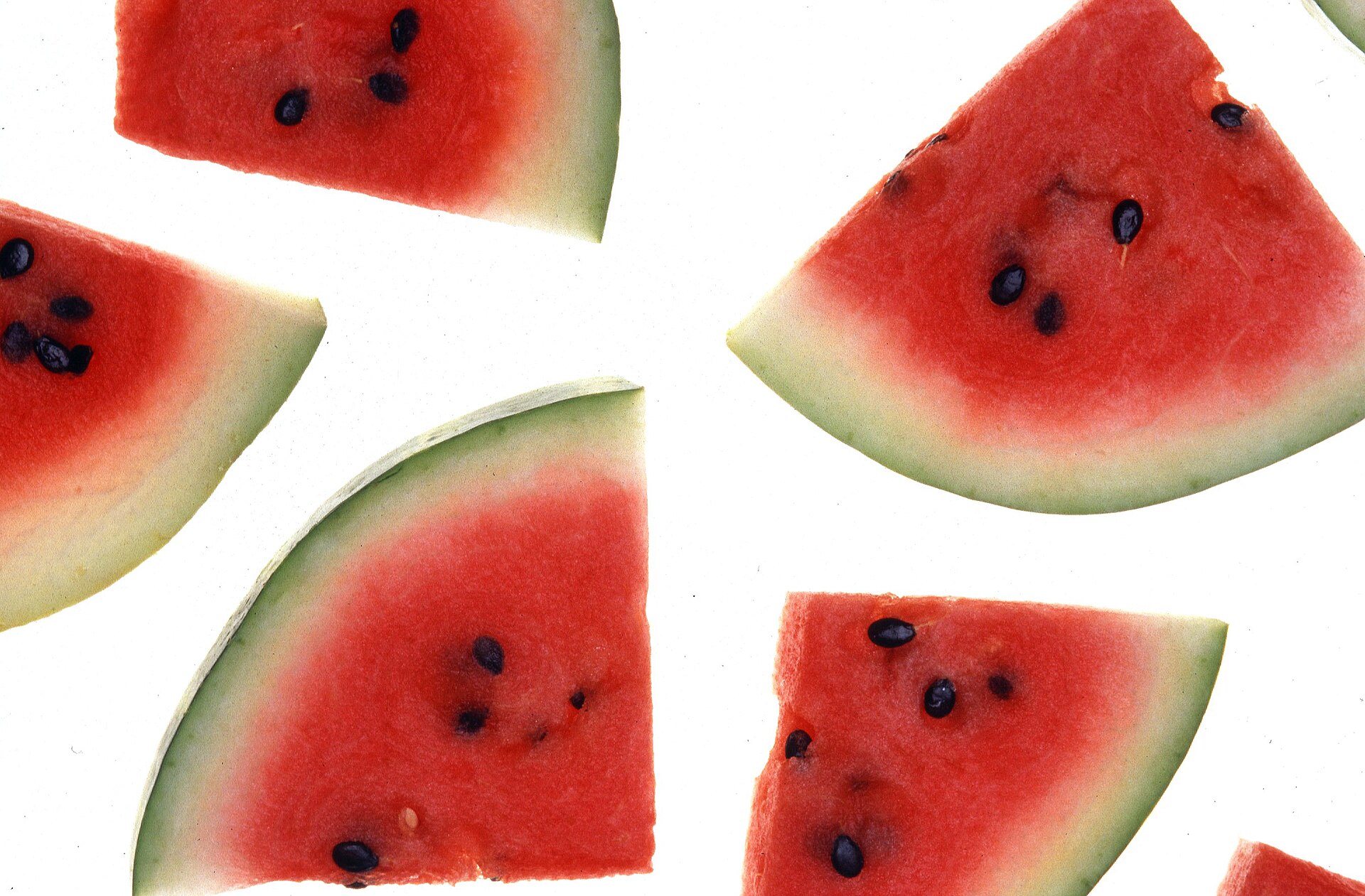
The winter shipper
UF/IFAS Gardening Solutions is the source for that December-to-April fact. Other states cannot fill that window. Read the sticker in July, because summer grocery fruit may be from somewhere else. In a Central Florida yard the planting window opens in January and runs through March. North Florida waits until March and April. South Florida gets a second shot in December. The Florida Vegetable Gardening Guide carries the vegetable planting tables if you want the statewide version.
Watermelon grows best when daytime temperatures sit between 70°F and 85°F. Florida sand is not a problem. The paper says watermelon is not fussy about soil type as long as it drains. That is the local advantage. Wet feet are the local failure.
Sand, sun, and eighteen square feet
Space is the real constraint. Growing watermelon takes in excess of 18 to 24 square feet per plant. A good rule of thumb where the seed packet is silent is 36 inches between plants, in rows 7 to 8 feet apart. A large variety can drop several 15 to 20 pound melons at once. Fruit size runs 6 to 50 pounds depending on cultivar.
The answer for a small yard is an icebox variety. They are smaller, easier to harvest, easier to store, and they got the name because they fit in a refrigerator. UF/IFAS names Sugar Baby and Mickeylee for icebox size, and Jubilee, also called Florida Giant, plus Crimson Sweet and Charleston Grey 133 for the large end. Cantaloupe is a separate seed. Do not buy it thinking it is a small watermelon.
A pot does not solve this crop. The vine is an annual that has to run. A pot at the edge of a bed with the vine trained across ground you were not using is the closest workaround. Full sun either way.
Watermelons take 80 to 100 days to mature. Ripeness is not a thump. Look at the bottom where the melon sat on the ground: cream or bright yellow means ripe, white or pale green means wait. Then find the curled tendril closest to the melon. When that tendril turns brown and shrivels, the melon should be ready. Use both checks. A harvested melon lasts a little over a week at room temperature, or about two weeks refrigerated. A grid cutter turns a whole melon into cubes in one press. Get this. For scooping rather than cubing, a double baller does both sizes. Get this.
The grow page has gummy stem blight, rotation, and the peat-pot transplant warning. This page is the winter shipper and the sand. If you want fruit in January, look for Florida on the sticker. If you want a vine, plant in January on drained ground and give it room.