 Orlando Melon Mart
Sets
Icebox vine, then a knife
UF/IFAS Gardening Solutions says Florida is a leading watermelon producer and the only state that produces watermelon from December to April. In Central Florida the planting window opens in January. North Florida waits until March and April. Days between 70°F and 85°F are the range the vine wants. A knife will not shrink an 18-foot vine.
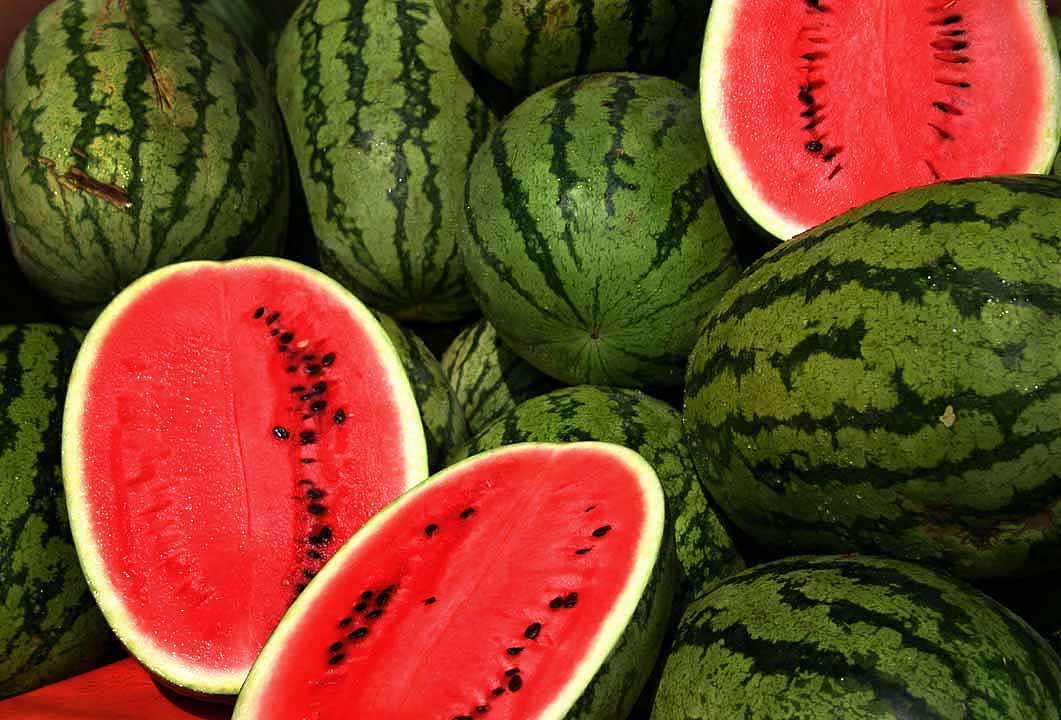
Space is the real constraint, and it decides which seed you buy. UF/IFAS says growing watermelon takes in excess of 18 to 24 square feet per plant. A good rule is 36 inches between plants, rows 7 to 8 feet apart. Icebox varieties such as Sugar Baby and Mickeylee fit a fridge. Jubilee, also called Florida Giant, plus Crimson Sweet and Charleston Grey 133, are the large end. Moon and Stars is a large heirloom with yellow dots on dark green rind. It needs the same run of ground. A container does not solve the vine. The vine still has to run.
Fruit size runs 6 to 50 pounds depending on cultivar, rarely more. If you plant a large variety you may end up with several 15 to 20 pound melons at once. That is a kitchen problem as much as a garden one. Icebox is the honest yard choice when the bed is small. Giant is a gift problem, or a picnic, not a balcony crop.
Knife, grid, baller, fork
A melon knife is for fruit you already cut from the vine. A grid cutter is the same job in one press when the melon is whole on the board. A baller is a serving object, not a harvest object. A watermelon fork is the picnic version. None of them plant a seed in January.
UF/IFAS says a harvested watermelon lasts a little over a week at room temperature, or about two weeks refrigerated. That is why the knife or the grid sits next to the fruit, not next to the seed packet. Watermelons take 80 to 100 days to mature. The two ripeness checks are the field spot and the nearest tendril. Cream or bright yellow on the ground patch means ripe. White or pale green means wait. The curled tendril closest to the melon should be brown and shriveled. Thumping is not on the list.
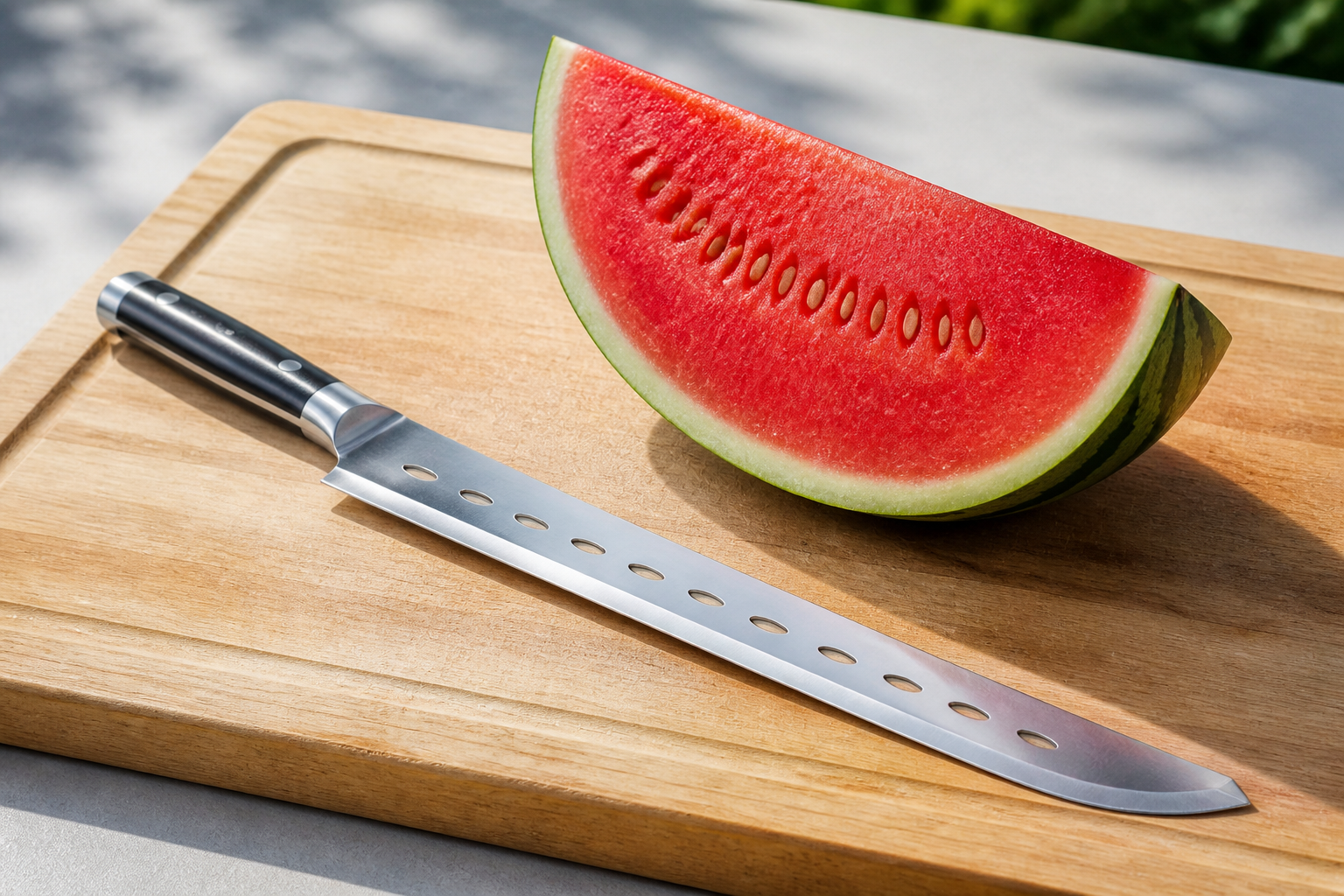
Cut fruit already off the vine. Get this.
Grid-cut a whole fruit already on the counter. Get this.
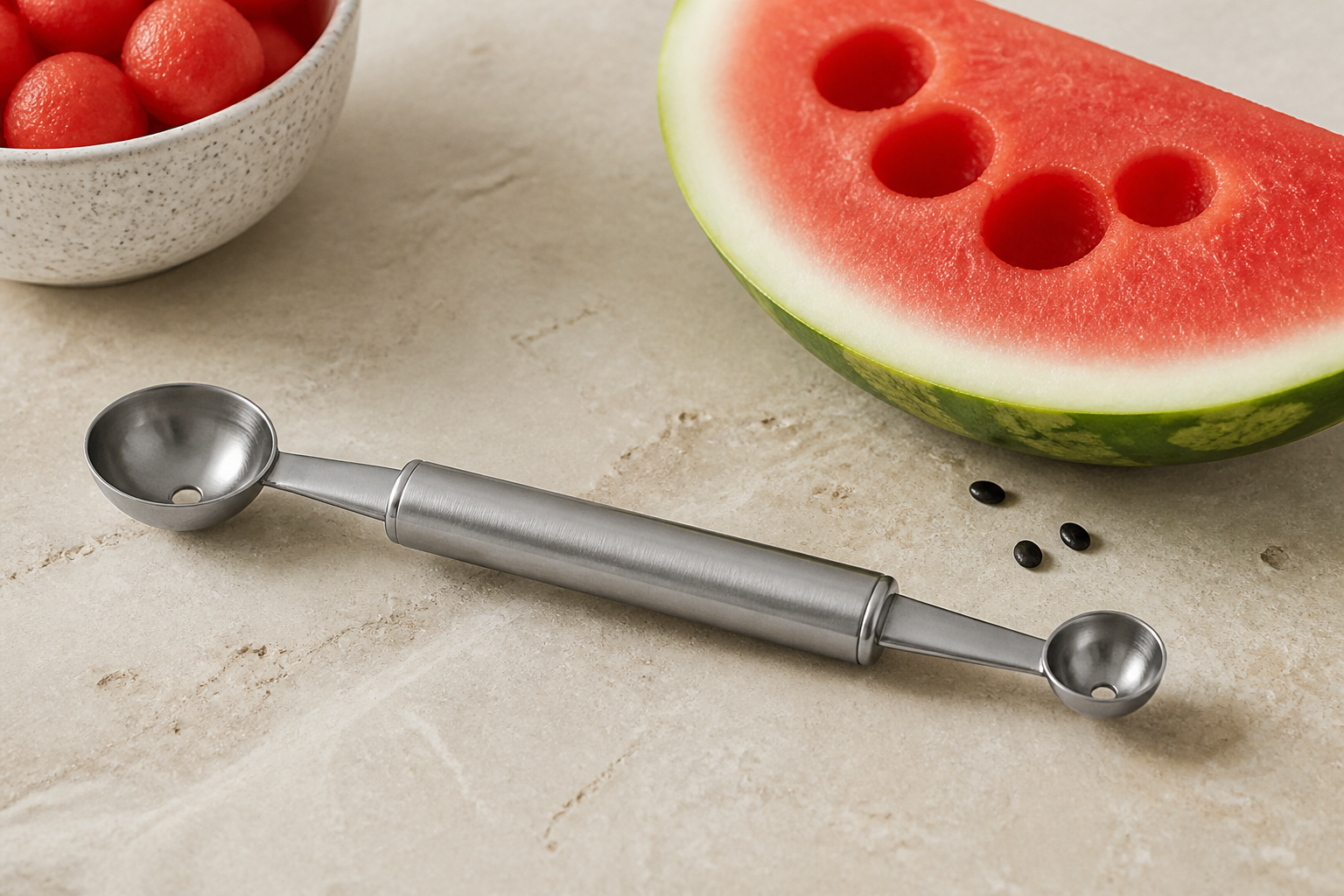
Scoop balls. This is not a harvest tool. Get this.
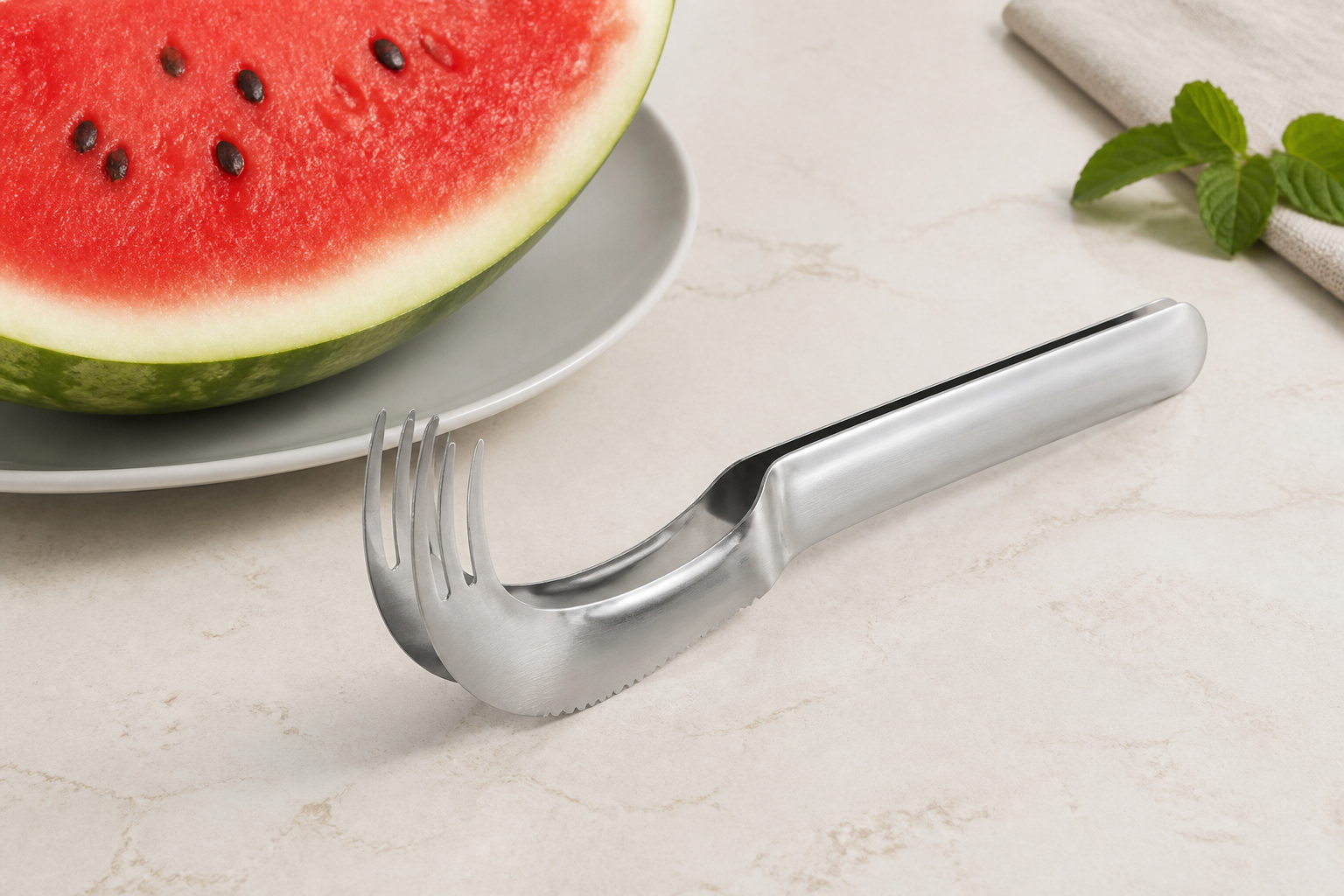
Serve picnic slices after the cut. Get this.
A melon magnet is last
A fruit magnet is a fridge souvenir. Test the steel. A watermelon tote is cloth for carrying a cut melon, not 24 square feet of vine. Pack the January window and the icebox vs giant split first, then the knife. Magnet last.
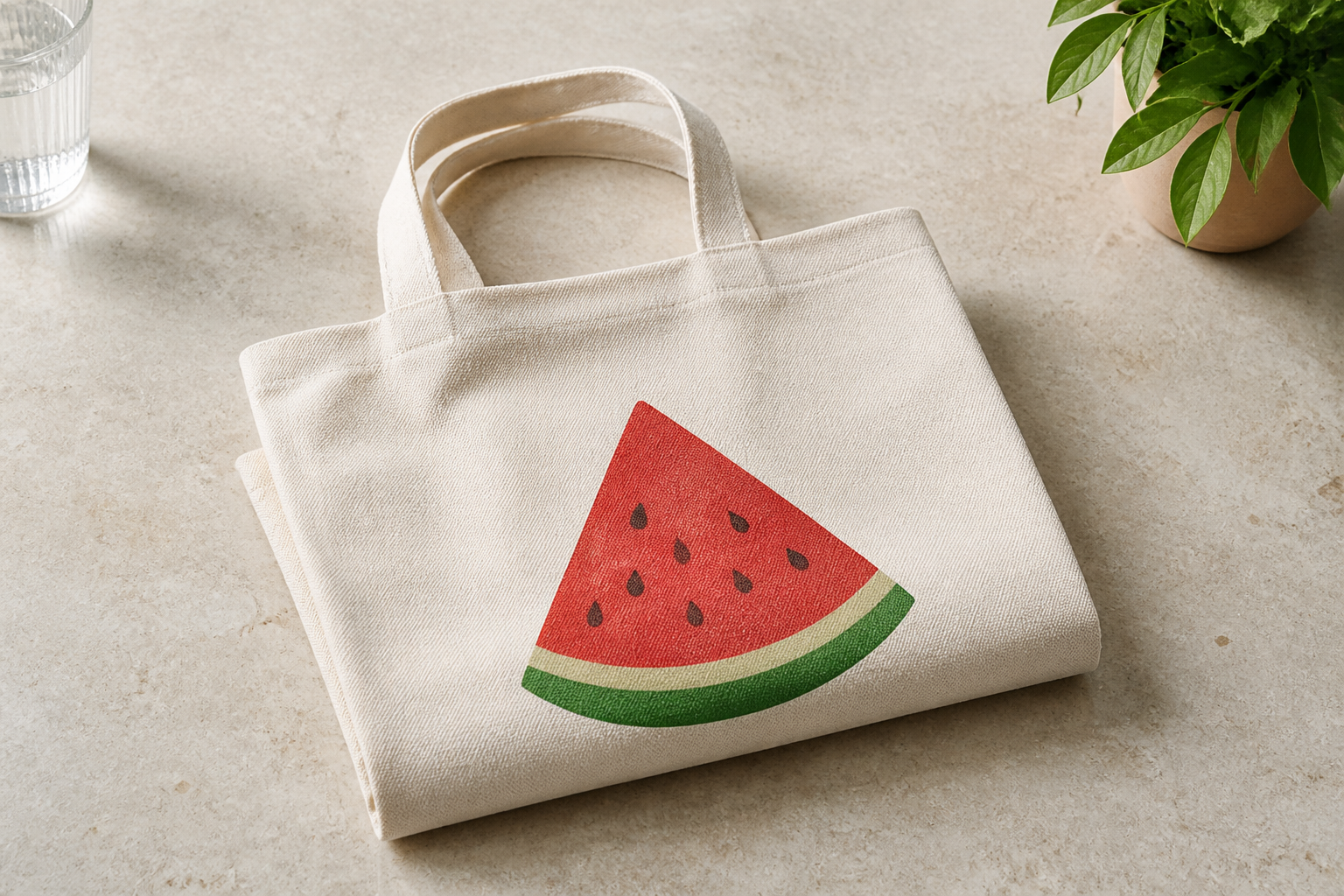
Carry a cut melon, not a planting bed. Get this.
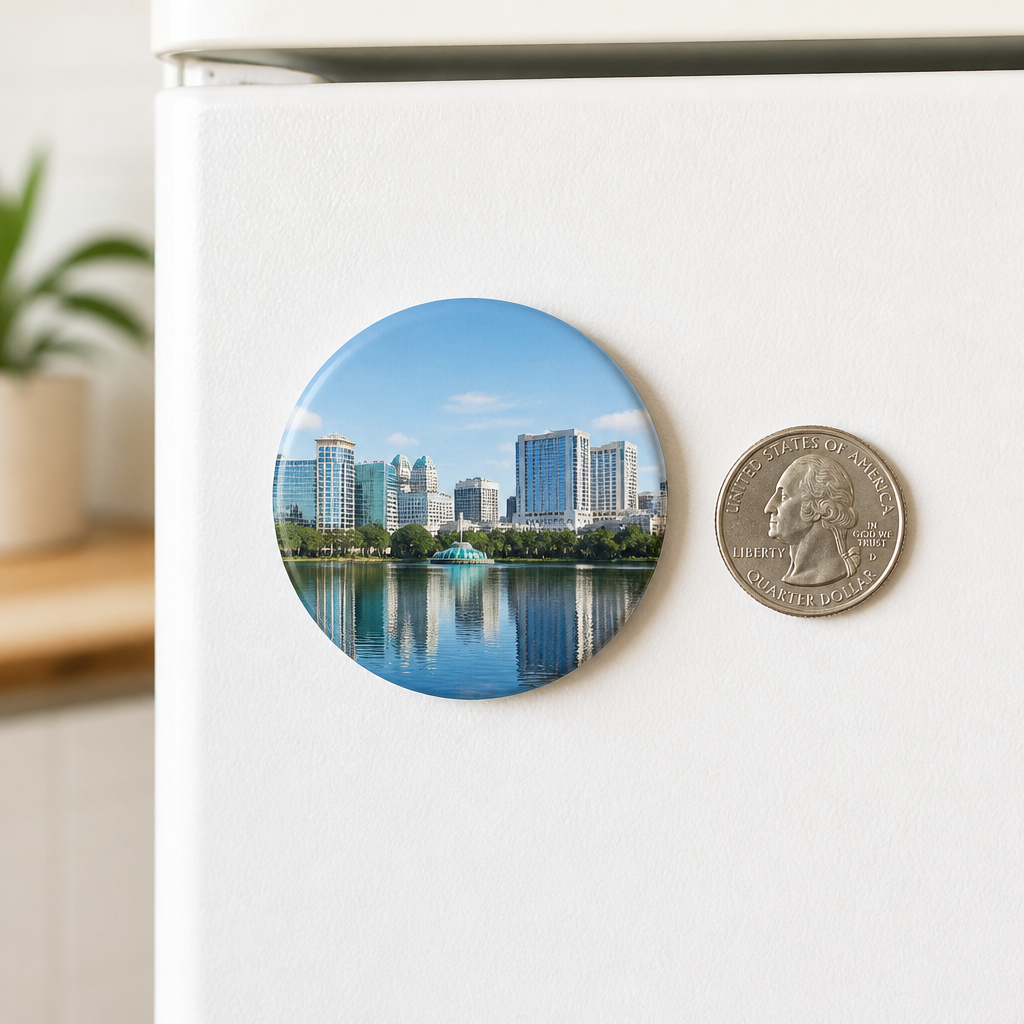
Stick fruit on a steel door. Get this.
Seed, knife, then steel
If it is January through March in Central Florida and you have 18 to 24 square feet, seed is first. If a whole fruit is on the counter, the knife or the grid is first. If you are serving bowls, the baller is first. If you are outside, the fork is first. If you are carrying a cut melon, the tote is first. If the job is a souvenir, test the steel, then the magnet.
The Florida Vegetable Gardening Guide carries the state planting tables. UF/IFAS What to Plant by Month has watermelon under seeds for Central Florida in January. South Florida gets a second shot in December. Daytime 70 to 85°F is the range, with tolerance up to 90°F. That is why the window moves by region, not because a knife went on sale.
Full sun. Soil that drains. Florida sand is fine if it drains. A pot at the edge of a bed with the vine trained across unused ground is the only honest container version. UF/IFAS warns that watermelon roots are sensitive, so transplants should be in peat pots that go in whole. Gummy stem blight is the disease they lead with. Buy seed with a blight-free history, and keep other cucurbit debris off the bed.