 Orlando Melon Mart
Grow
Heat, a short cool season, and the January window
UF/IFAS Gardening Solutions says Florida has a great climate for watermelon and is a leading producer for the nation, and adds the fact that surprises people: Florida is the only state in the country that produces watermelon from December to April. In a Central Florida yard the planting window opens in January. The vine wants heat. The cool season is short.
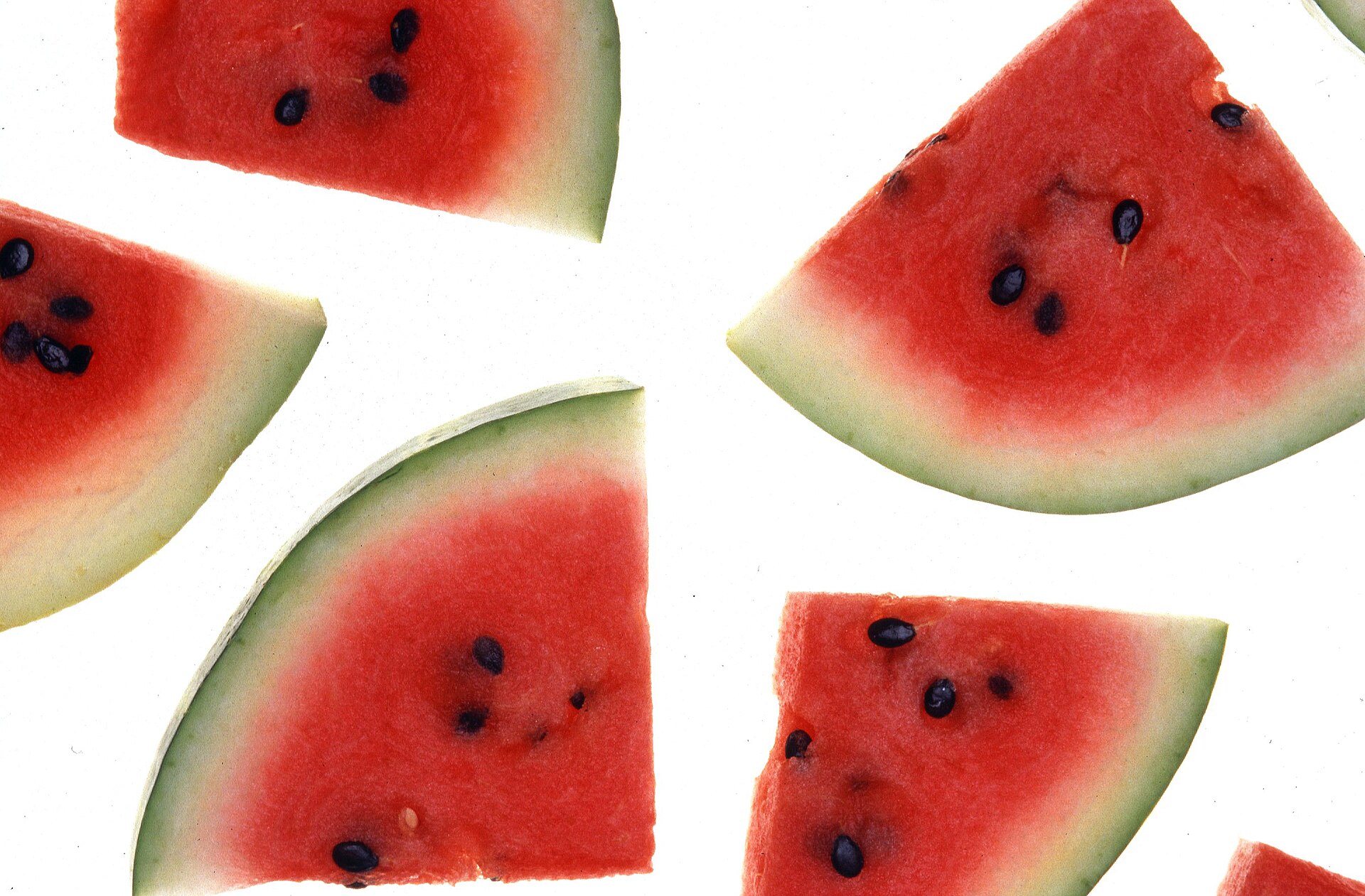
Florida is the only state in the country that produces watermelon from December to April.
Jump: plant · heat · cool season · space · start · pick
When to plant here
The window depends on where you are in the state. UF/IFAS puts North Florida at March and April. Central and South Florida can plant earlier, from January through March, because springtime temperatures get there sooner. South Florida gets a second shot in December. The reason behind the dates is a temperature range, not a calendar: watermelon grows best when daytime temperatures sit between 70°F and 85°F, and it will tolerate up to 90°F. The Florida Vegetable Gardening Guide carries the state planting tables if you want the vegetable-by-vegetable version, and the UF/IFAS What to Plant by Month list has watermelon under seeds for Central Florida in January.
PI031 is the commercial paper. Primary planting dates statewide run December 15 to April 15. Central Florida commercial planting is January 15 to March 15. South Florida is December 15 to March 1. North Florida is February 15 to April 15. A small amount of acreage is planted for a fall harvest, October through December. Seed to maturity is 80 to 100 days; transplant to maturity is 60 to 90 days, depending on variety.
| Region | Home garden (Gardening Solutions) | Commercial (PI031) |
|---|---|---|
| North Florida | March–April | February 15–April 15 |
| Central Florida | January–March | January 15–March 15 |
| South Florida | January–March, plus December | December 15–March 1 |
The heat band
Watermelon is a heat crop. UF/IFAS watermelon guidance says it requires a long, warm growing season and grows best under 70°F–85°F, tolerating temperatures up to 90°F. The plant also tolerates high humidity. Frost easily damages seedlings. Germination is very slow when soil temperature is less than 70°F. Seedless varieties want soil above 80°F to germinate, and both germination and emergence are slower for those types. That is why a Central Florida January plant is a bet on warming soil, not a bet on a long cool spring.
UF/IFAS watermelon guidance, citing USDA/NASS 2025: in 2024 Florida ranked first nationally in watermelon production, 24.7% of U.S. production, 26,000 acres planted, 1.02 billion pounds. The vast majority of Florida fruit is harvested May to July. December to April is the window no other state fills. A yard vine in Orange County is not that acreage. It is the same species, Citrullus lanatus, on a different clock.
| Number | What the paper says |
|---|---|
| 70–85°F days | Best growth. Gardening Solutions and UF/IFAS watermelon guidance agree. |
| Up to 90°F | Listed tolerance. Not a target. |
| Soil below 70°F | Germination very slow. Frost damages seedlings. |
| Seedless germinate | Soil above 80°F. Transplant, do not direct-seed. |
| 80–100 days | Seed to maturity. 60–90 from transplant. |
Hypothesis: a January–March plant in Orange County lets fruit fill while days still sit in the 70–85°F band. A May seed hits 90°F+ afternoons and gummy-stem weather during fruit fill. Gardening Solutions gives January through March for Central Florida; it does not publish an Orlando-specific April cutoff. Covering young transplants on a still January night with a row cover can save a stand from a light frost. UF/IFAS watermelon guidance says frost easily damages seedlings and the planting window is only a few weeks. UF/IFAS does not publish a home-garden melon wrap recipe. Plastic against foliage is a known landscape mistake. Pull the cover when the sun comes back.
A short cool season
The 2023 USDA Plant Hardiness Zone Map is the ZIP lookup. Zone 10a averages 30–35°F extreme minimum; 9b averages 25–30°F. Central Florida sits in that band. Those numbers are averages of the coldest night, not a promise that 32°F never happens. There is no long northern spring. The cool season is a few weeks of frost risk sitting on top of a vine that wants 70°F soil. Per watermelon guidance: growers must balance the risk of losses from frost damage with maximizing returns from an early harvest. A home gardener has the same trade, without a packing shed.
North and Central Florida commercial growers plant windbreaks in winter to protect spring seedlings from blowing sand and wind. Rye is the most common. That is a field practice, not a driveway requirement. The lesson for a yard is the same temperature: do not set a transplant into cold, wet sand and expect a June picnic melon.
Space is the real constraint
This is the part to settle before buying seed. UF/IFAS says growing watermelon takes in excess of 18 to 24 square feet per plant. A good rule of thumb where the seed packet does not say is 36 inches between plants, in rows 7 to 8 feet apart. If you plant a large variety you may end up with several 15 to 20 pound melons at once to eat, store, or give away. Fruit size runs 6 to 50 pounds depending on cultivar, and in rare cases as much as 200.
The answer for a small yard is an icebox variety. They are smaller, easier to harvest, easier to store, and they got the name because they fit in a refrigerator. UF/IFAS names Sugar Baby and Mickeylee for icebox size, and Jubilee, which it also calls Florida Giant, plus Crimson Sweet and Charleston Grey 133 for the large end. The heirloom Moon & Stars is a large variety with yellow dots on dark green rind, so it needs the space too. Cantaloupe is a separate seed crop on the month list. Do not buy it thinking it is a small watermelon.
Bed or container
Watermelon is the crop on this site that a container does not solve. The vine is an annual with curly tendrils and lobed leaves, and the 18 to 24 square foot figure is what it needs to make fruit. A pot can hold the roots of an icebox variety, but the vine still has to run somewhere, so the practical version is a pot at the edge of a bed with the vine trained across ground you were not using anyway. Full sun either way. UF/IFAS says watermelon is not fussy about soil type as long as it drains, which suits Florida sand. UF/IFAS watermelon guidance adds that the crop does not do well on muck, and the optimum pH range is 6.0–6.5, though it will tolerate soils as low as 5.
How to start
- Decide between seed and transplants. UF/IFAS warns that watermelon roots are sensitive, so if you buy transplants, look for ones grown in peat pots that go into the ground whole. Seedless types are transplanted in commercial fields because the seed is expensive and they cannot be established by direct seeding.
- Pick full sun and any well-drained soil. Check your seed packet for spacing, since it varies by variety. Wait until soil can warm; germination is slow below 70°F.
- Space at 36 inches in rows 7 to 8 feet apart if the packet is silent.
- Keep the plant unstressed. UF/IFAS ties the best-tasting melon directly to avoiding stress from insects, disease, weeds, poor nutrition, and too much or too little water.
- If you plant seedless, interplant a seeded pollenizer. Bees do the work. Per watermelon guidance: female flowers need even pollen; honeybees are the principal pollinators.
Pests
The disease UF/IFAS leads with is gummy stem blight, also called black rot, a major fungal disease of watermelon and other cucurbits that can leave you with little or no edible fruit. There is no spray-first answer. The best way to avoid it is buying seed from a reputable company with a history of blight-free seed production. If you start with transplants, inspect for the symptoms: necrotic areas on leaf margins, water-soaked regions on the stem, and gummy ooze coming out of the stem. Keep debris from any other cucurbits you are growing away from the watermelons.
Rotation is part of the same defense. Plant where watermelons or other cucurbits have not been for the last two or three years. Handle fruit carefully at harvest, because a wound is an opening, and store melons at 45°F to 50°F to prevent postharvest black rot. Preventative fungicide is used in some areas. Powdery mildew and downy mildew also hit cucurbits here. UF/IFAS watermelon guidance names Florida’s warm, moist climate as the reason disease is a serious pest problem, and lists gummy stem blight, downy mildew, Fusarium wilt, and powdery mildew as the important fungal diseases. For anything beyond identification, UF/IFAS sends you to your county Extension office, which is the right call for a spray decision.
When to pick
Watermelons take 80 to 100 days to mature depending on variety, and UF/IFAS admits outright that it can be difficult to know when one is ready. It gives two physical checks and neither is thumping. Look at the bottom of the melon where it sat on the ground: cream-colored or bright yellow means ripe, and a white or pale green spot means it is not. Then find the curled tendril closest to the melon on the vine. When that tendril turns brown and shrivels, the melon should be ready. Use both, because either alone can mislead you. UF/IFAS watermelon guidance adds a dulling of the fruit surface. Unlike cantaloupes, watermelons will not continue to ripen after harvest.
After that, the clock is short. A harvested watermelon lasts a little over a week at room temperature, or about two weeks refrigerated. PI031’s commercial postharvest band is 50°F–60°F; chilling injury shows up below 50°F. A grid cutter turns a whole melon into cubes in one press, which is the difference between eating it and watching it sit. Get this. For scooping rather than cubing, a double baller does both sizes. Get this.
Questions
Is winter grocery watermelon really Florida fruit?
Often, yes. UF/IFAS says Florida is the only state producing watermelon from December to April. That is one case on this page where the grocery box and the local field line up. Read the sticker.
Can I grow one in a pot on a balcony?
Not well. UF/IFAS puts the requirement above 18 to 24 square feet per plant. An icebox variety with somewhere for the vine to run is the closest workaround.
Why are there white seeds in a seedless melon?
A seedless watermelon is a sterile triploid, so it cannot make complete seeds. UF/IFAS explains that the little white specks are just seed coats. Seedless plantings need a seeded neighbor for pollen.
Will a late plant survive Orlando heat?
Hypothesis: a May seed hits 90°F+ days and gummy-stem weather during fruit fill. The published Central Florida home window is January through March. IFAS does not publish an Orlando-specific April cutoff.
Sources
- Watermelon, UF/IFAS Gardening Solutions
- Florida Vegetable Gardening Guide (SP 103/VH021), UF/IFAS
- Florida Crop/Pest Management Profile: Watermelon (CIR1236/PI031), UF/IFAS
- USDA Plant Hardiness Zone Map (2023)
The winter Florida melon versus the summer box, or the shop for cutters and ballers.